Growing More Than Crops: How Chestatee-Chattahoochee RC&D Cultivates Community, Conservation, and the Next Generation
If you spend any time in north Georgia with the Chestatee-Chattahoochee RC&D Council, one thing becomes immediately clear: this is an organization deeply rooted in its land, even more so in its people.
Serving the mountain and foothill counties of Banks, Dawson, Forsyth, Habersham, Hall, Hart, Lumpkin, Rabun, Stephens, Towns, and Union, the council operates in a region where agriculture, forestry, and natural resources are not just industries, they are a way of life. What makes Chestatee-Chattahoochee stand out isn’t just what they do for the land. It’s how intentionally they invest in the next generation.
Getting Kids Outside and Keeping Them There
Across their region, the council has built a reputation for one core belief: kids belong outdoors.
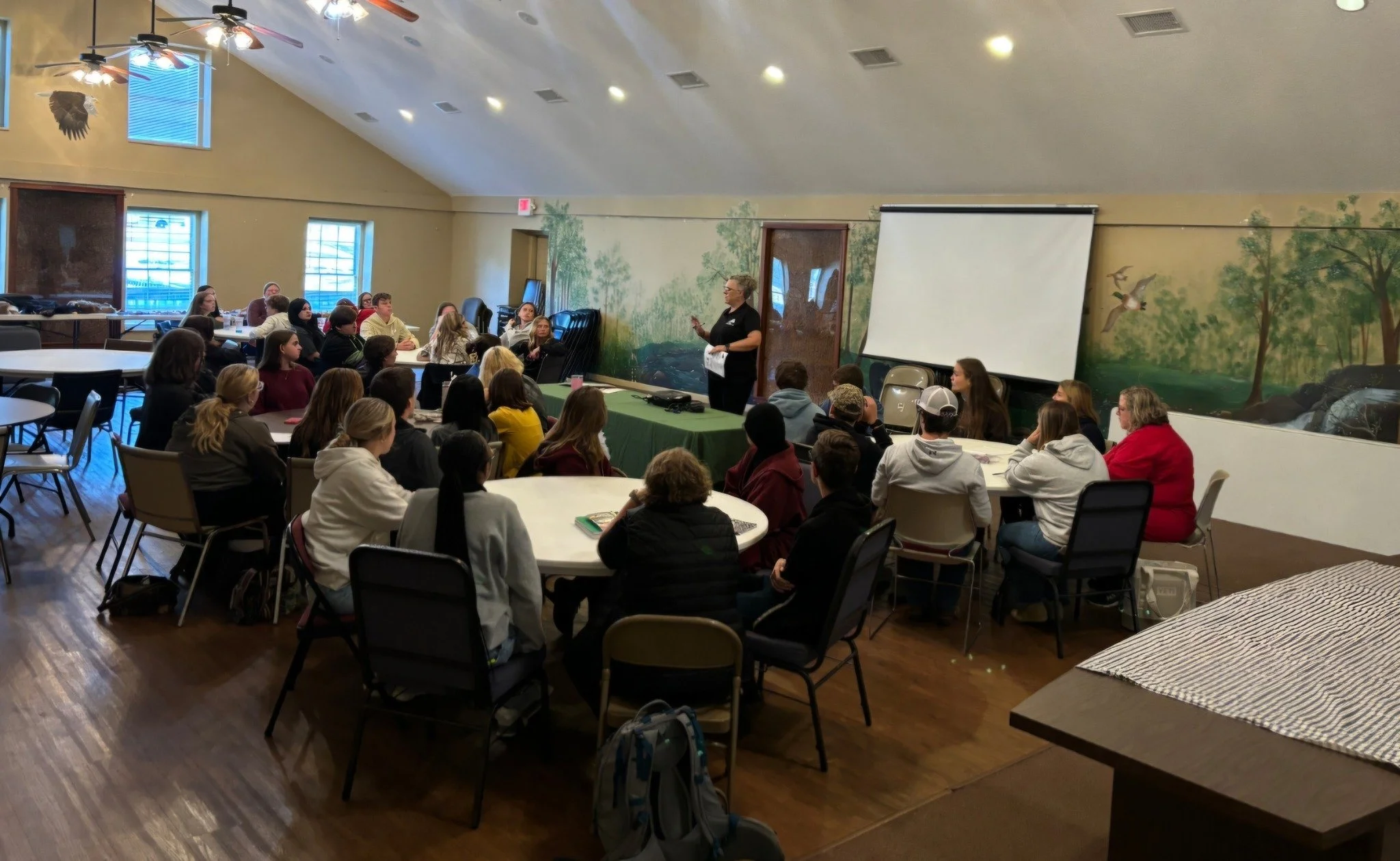
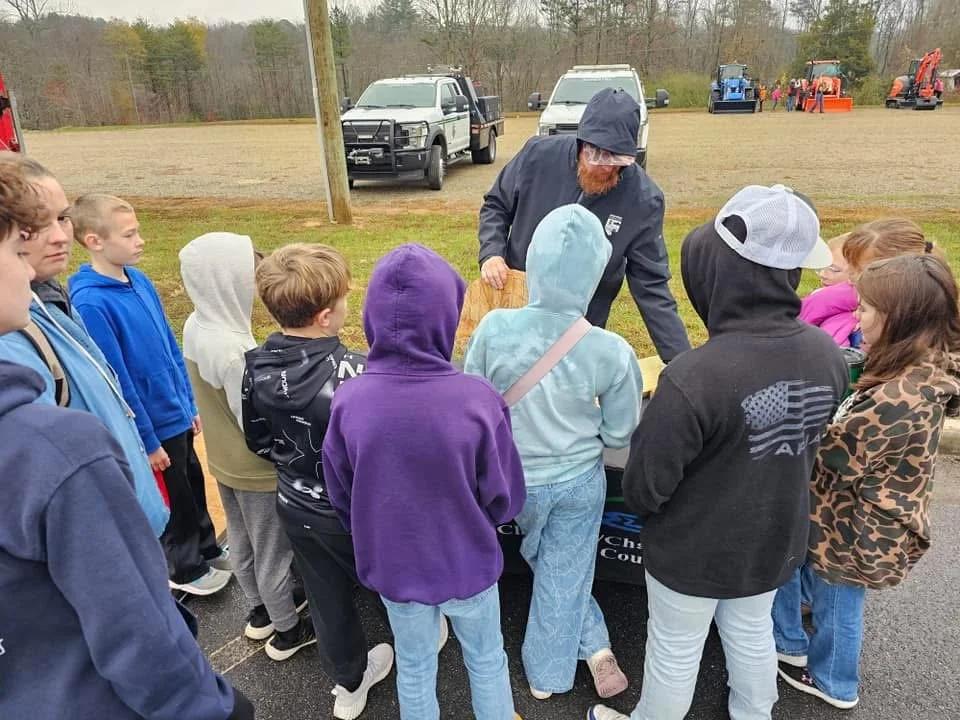
Whether it’s through hands-on agricultural learning, conservation education, or leadership development, Chestatee-Chattahoochee RC&D is constantly creating opportunities for young people to step outside the classroom and into real-world experiences. That commitment is perhaps most visible in their leadership of Georgia’s Envirothon program.
As the lead for the state Envirothon Competition, the council coordinates trainings and organizes the statewide event, bringing students together to test their knowledge of soils, forestry, wildlife, aquatics, and current environmental issues. But beyond competition, the Envirothon experience fosters something deeper: confidence, curiosity, and a connection to natural resources that many students carry with them for life.
High Tunnels, High Impact
One of the council’s most tangible, and impactful, projects has been the installation of high tunnels across their service area.
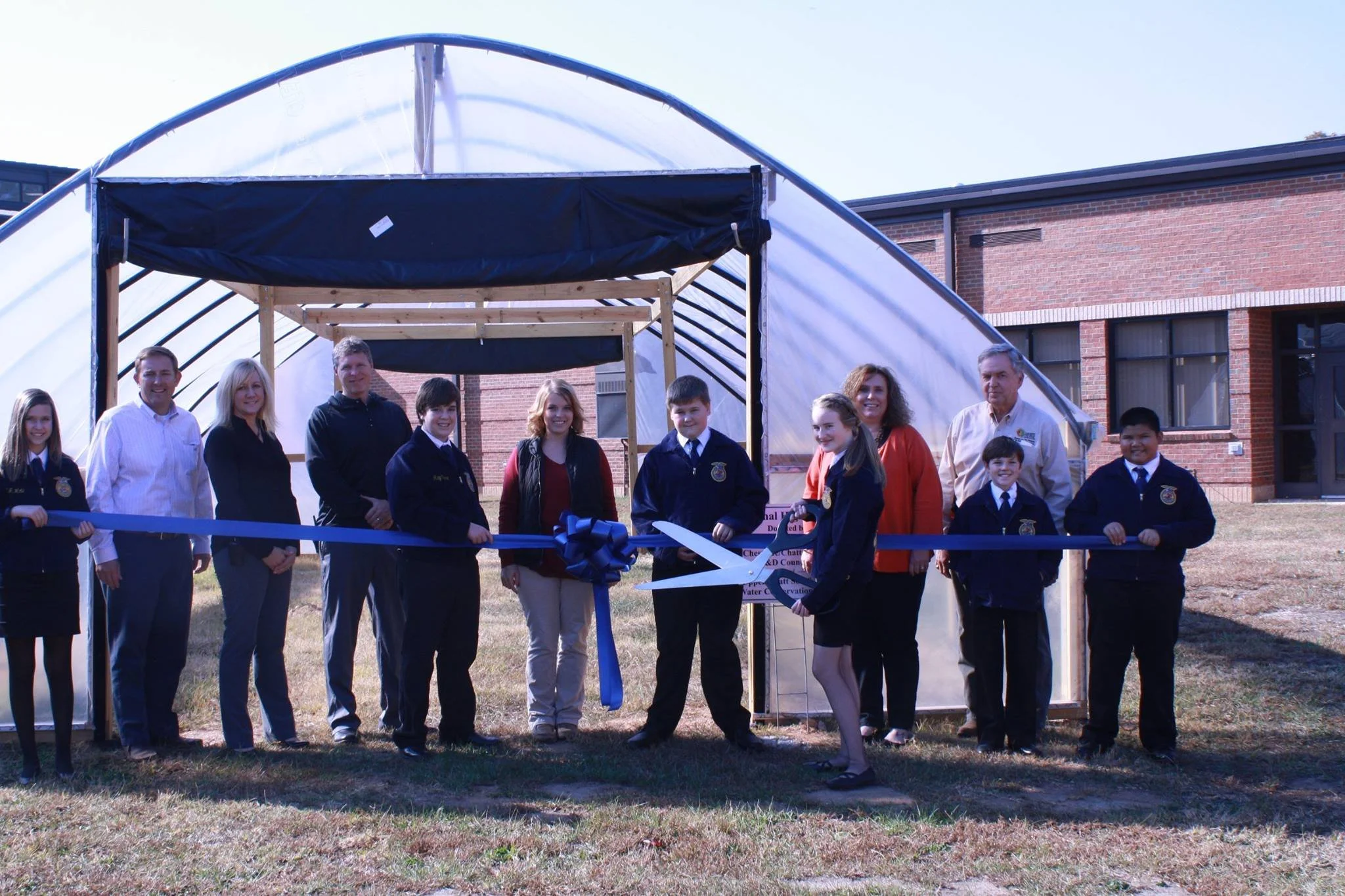
Over the years, Chestatee-Chattahoochee RC&D has helped establish 78 high tunnels at schools and senior centers. These structures extend growing seasons, protect crops, and serve as living classrooms.
At schools, the impact goes far beyond agriculture. Students aren’t just learning how to grow vegetables, they’re learning where their food comes from. In many cases, those same vegetables make their way into school lunches, creating a full-circle experience from seed to table.
It’s a simple idea with powerful results: teach kids to grow food, and you teach them responsibility, nutrition, sustainability, and pride in their work all at once.
A Hub for Small Farmers
That same commitment to education extends to the region’s farmers.
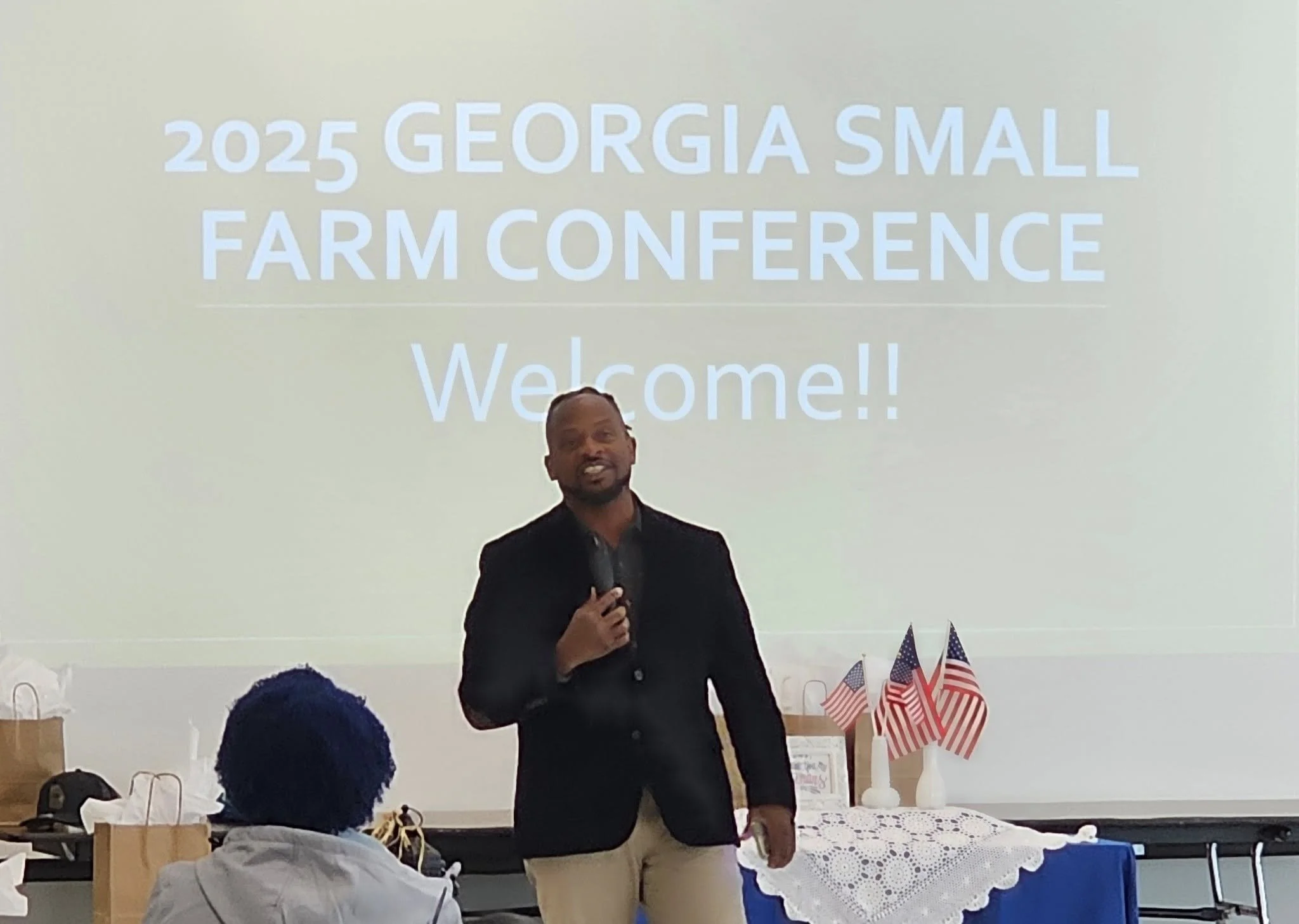
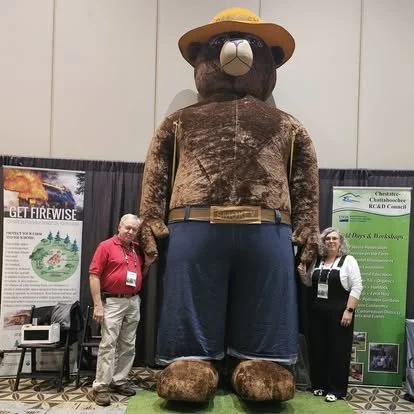
For the past 15 years, Chestatee-Chattahoochee RC&D has been a driving force behind Small Farm Conferences; creating spaces where producers can learn, connect, and grow their operations. This year alone, they’ve already hosted five conferences, including two in neighboring North Carolina.
These events aren’t done in isolation. The council works alongside a strong network of partners, including Southwestern North Carolina RC&D, as well as Georgia-based councils like Seven Rivers RC&D, Pine Country RC&D, and Coastal RC&D. Additional collaboration with organizations such as GACD, GSWCC, UGA, NRCS, and the State Forestry Commission ensures that farmers receive practical, research-backed information they can apply immediately.
When we spent time with them at the Small Farm Conference, it was clear these gatherings are more than workshops, they are community-building events. Farmers share stories, swap ideas, and leave better equipped to face the challenges of modern agriculture.
Rooted in Partnership, Focused on the Future
What makes Chestatee-Chattahoochee RC&D especially effective is its ability to bring people together. Whether it’s students, farmers, educators, or conservation professionals, the council serves as a connector linking resources with needs and turning ideas into action.
Their work reflects a broader truth about RC&D councils: real change happens locally, through relationships and trust built over time.
Growing Forward
In a region known for its natural beauty, Chestatee-Chattahoochee RC&D is ensuring that future generations not only inherit that landscape, but understand it, care for it, and thrive within it.
From high tunnels that feed communities, to conferences that strengthen farms, to programs that inspire young conservation leaders, their impact is both immediate and long-lasting.
If you ask anyone who has spent time with them, they’ll tell you, it all starts with getting people, especially kids, outside.
Because when you connect people to the land, everything else begins to grow.